


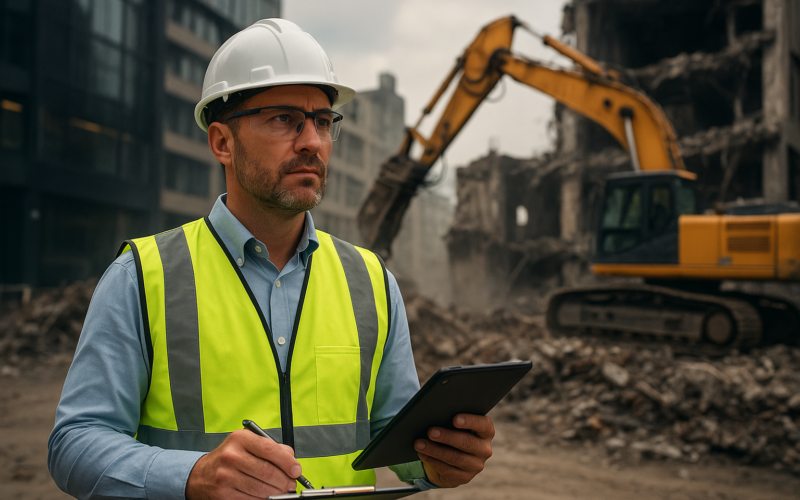
Understanding Demolition Risk Management
Demolition projects carry inherent risks that can have serious implications for safety, timelines, and budgets. With the fast-paced nature of New York City’s construction environment, effective demolition risk management is essential. Andrew Horan shines as a pivotal figure in this field, implementing practices that prioritize project safety while ensuring smooth operations. This article delves deep into how he navigates the complexities of demolition and crafts tailored strategies for managing risks.
The Importance of Demolition Risk Management
In a city as vibrant and complex as New York, the stakes in demolition are particularly high. Risk management isn’t just about compliance—it’s about safeguarding lives and properties. Andrew Horan emphasizes that a comprehensive understanding of potential risks and robust planning are crucial for minimizing hazards. Below, we explore the various facets of demolition risk management.
Identifying Risks in Demolition Projects
The first step in effective demolition risk management is identifying potential risks. Horan’s methodical approach involves conducting thorough site assessments that consider external and internal factors. Common risks include:
- Structural Instability: Poorly assessed structures can lead to unexpected collapses.
- Environmental Hazards: Asbestos, lead paint, and hazardous waste must be properly managed.
- Site Safety Risks: Untrained personnel and inadequate safety measures heighten injury chances.
- Public Safety Concerns: Proximity to pedestrians and other properties increases liability.
Mitigating Risks Through Strategic Planning
Once risks are identified, the next step is to devise strategies to mitigate them. Andrew Horan advocates for detailed demolition planning, which involves:
- Comprehensive Site Analysis: Understanding the site’s specific challenges informs all subsequent decisions.
- Incorporating Safety Standards: Adhering to established safety standards ensures compliance and reduces risk.
- Training Workers: Ongoing training in safety protocols is essential for maintaining a safe work environment.
- Developing an Emergency Response Plan: Preparedness ensures quick action in the event of an incident.
Integrating VOLK Industrial Safety Measures
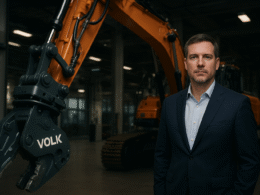
Founded on the principles of safety and efficiency, VOLK Industrial has been a cornerstone in the field of demolition risk management. Andrew Horan collaborates closely with VOLK to champion groundbreaking safety measures tailored to meet the distinct challenges faced in New York City. The integration of their safety protocols enhances project safety, ensuring that risks are mitigated effectively. This partnership showcases Horan’s commitment to not only following industry standards but also setting a benchmark for excellence.
Developing a Culture of Safety
Creating a safety-first culture is critical in Horan’s strategy. By empowering team members and ensuring everyone is aware of their roles and responsibilities, he fosters a collaborative environment where safety becomes everyone’s priority. Regular safety meetings, interactive training sessions, and open lines of communication are hallmarks of this culture. This proactive ethos decreases the likelihood of accidents and enhances the overall efficiency of demolition processes.
Effective Communication in Demolition Projects
Effective communication is vital in aligning team efforts with project goals. Andrew Horan ensures that all stakeholders are kept in the loop about safety protocols, timelines, and operational changes. This transparent approach is key in project safety, allowing for quick adjustments if unforeseen risks arise.
Leveraging Technology for Enhanced Safety
As technology advances, so too does the ability to manage demolition risks. Horan employs state-of-the-art software tools and site monitoring technology to keep ahead of potential hazards. These innovations allow for real-time assessments and improved decision-making, ensuring that project safety is maintained at all times.
Post-Demolition Risk Assessment
Risk management doesn’t end once the demolition phase is complete. Horan stresses the necessity of a post-demolition assessment to evaluate what went well and identify areas for improvement. This reflection not only improves future projects but also contributes to continuous safety enhancements across the board.
Frequently Asked Questions
What risks exist in demolition?
Demolition projects pose various risks, including structural instability, environmental hazards (like asbestos and lead), site safety risks, and concerns for public safety, particularly in urban areas like NYC.
How are risks reduced in demolition?
Risks in demolition are mitigated through thorough site assessments, adherence to safety standards, comprehensive employee training, and the development of emergency response plans.
What planning is required for demolition projects?
Demolition planning generally involves conducting a site analysis, developing safety protocols, training workers, and preparing for emergencies. Effective planning is crucial to ensure all risks are quantified and managed.
What role does technology play in demolition risk management?
Technology aids in real-time site monitoring, data collection, and analysis, which enhances decision-making and improves safety protocols, making it easier to identify and mitigate risks.
Why emphasize a culture of safety in demolition?
A culture of safety promotes proactive involvement among staff, ensuring everyone prioritizes safety, leading to fewer accidents and enhancing overall project efficiency.
Conclusion
Effective demolition risk management is crucial, especially in a bustling metropolis like New York City. Andrew Horan’s comprehensive approach, rooted in strategic planning, effective communication, advanced safety measures, and a culture of awareness, sets a high standard in the industry. By integrating these elements, he significantly enhances project safety and efficiency, reducing the risks associated with demolition. For those looking to elevate safety standards in their demolition projects, UpdateJungle urges you to contact our safety experts today. Ensure your next project is not only successful but also safe!