



Introduction to the Demolition Process
Demolition is a significant part of construction and renovation projects, especially in bustling areas like Queens, NYC. Understanding the demolition process is essential for homeowners, builders, and businesses alike. With the right demolition contractors, NYC projects can be executed smoothly and efficiently. In this article, we’ll break down the demolition process, the workflow involved, and essential tips for effective demolition preparation.
Understanding the Demolition Process Explained
The demolition process is not just about tearing down structures; it involves multiple stages that require meticulous planning and consideration. VOLK Industrial specializes in guiding clients through each phase, ensuring safety and compliance with local regulations. Let’s explore the various stages of this intricate process.
1. Initial Assessment and Planning
Before any physical work begins, a thorough assessment must be conducted. This includes:
- Evaluating the structure to be demolished
- Conducting site visits
- Assessing hazardous materials such as asbestos or lead
At this stage, demolition contractors in NYC will collaborate with architects, engineers, and local authorities to devise a comprehensive plan. Understanding the demolition process in detail ensures that the project progresses smoothly without unforeseen complications.
2. Obtaining Permits and Compliance Regulations
Once the planning stage is complete, the next crucial step is obtaining the necessary permits. This varies by location and the type of structure involved. In Queens, NYC, you must comply with local regulations, which may include:
- Securing a demolition permit
- Submitting required documents to city planners
- Ensuring compliance with environmental regulations
Understanding these rules is vital to avoid legal complications that could delay your project.
3. Demolition Preparation
Demolition preparation is a critical phase that ensures safety throughout the process. Key activities include:
- Site Clearance: Removing any obstacles or debris around the work area.
- Utilities Disconnection: Safely disconnecting water, gas, and electrical lines to prevent accidents.
- Site Protection: Erecting safety barriers and warning signs to protect passersby and workers.
Proper demolition preparation minimizes risks and sets the groundwork for executing the demolition workflow efficiently.
4. The Demolition Phase
With preparations in place, the actual demolition can begin. Here are the common methods used:
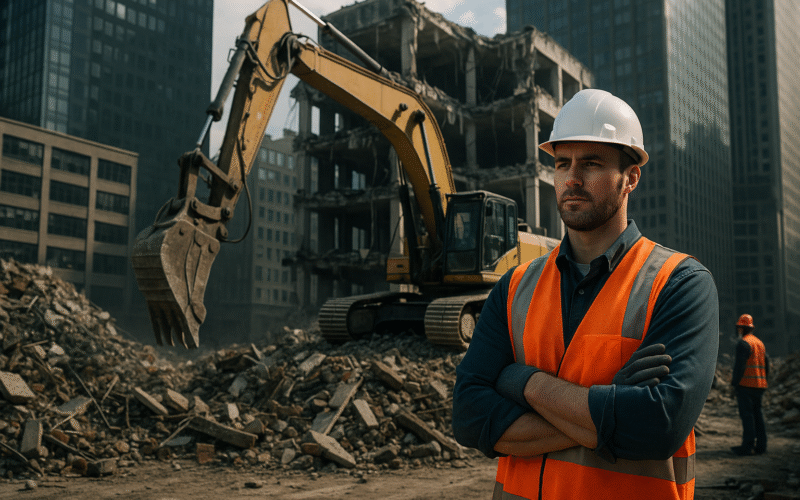
- Mechanical Demolition: Heavy machinery such as excavators are used for larger structures.
- Selective Demolition: Targeting specific areas for deconstruction; useful for renovations.
- Implosion: Using explosives to bring down buildings, typically in densely populated areas.
Each method has its advantages, and the choice depends on the project requirements. Skilled demolition contractors in NYC will employ the best techniques to ensure a successful outcome.
5. Debris Removal and Site Cleanup
After the demolition phase, proper debris removal is essential. This stage includes:
- Collecting and sorting materials for recycling or disposal
- Ensuring compliance with waste management regulations
- Restoring the site for future construction or landscaping
Understanding how debris is removed helps clients grasp the importance of environmentally responsible practices during the demolition process.
6. Post-Demolition Evaluation
Finally, after debris has been cleared, it’s essential to conduct a post-demolition evaluation. This step ensures that the site is ready for new construction. Key aspects include:
- Inspecting the land for usability
- Addressing any remaining hazards
- Reviewing the project with stakeholders to gather feedback and insights
This evaluation wraps up the demolition process and paves the way for successful subsequent projects.
Frequently Asked Questions
What are the stages of demolition?
The stages of demolition include initial assessment and planning, obtaining permits, preparation, the actual demolition, debris removal, and post-demolition evaluation.
How is debris removed?
Debris is removed through careful collection and sorting, aiming for recycling wherever possible. Local regulations guide the disposal methods to ensure environmentally responsible actions.
What happens after demolition?
After demolition, the site undergoes cleanup, with an emphasis on restoring the area for future use. Inspectors and contractors evaluate the land to confirm it’s safe for further construction or landscaping.
Is demolition the same as deconstruction?
No, demolition typically refers to tearing down buildings in a manner that disposes of most materials, while deconstruction involves dismantling buildings carefully to salvage reusable materials.
How do I choose a demolition contractor in NYC?
When choosing a demolition contractor, consider their experience, safety record, reviews, and ability to comply with local regulations. It’s essential to work with a trusted partner like VOLK Industrial for a successful project.
Conclusion
Understanding the demolition process explained in this article equips you with the knowledge to navigate your next construction or renovation project in Queens, NYC. By partnering with skilled demolition contractors, you can ensure that every stage of demolition—from planning and permits to cleanup—is handled efficiently and safely. Remember, the key to successful demolition lies in thorough preparation and compliance with local regulations. For expert guidance and a seamless demolition experience, contact VOLK Industrial to start your project today!
At UpdateJungle, we are dedicated to keeping you informed about the latest trends and best practices in the digital media and technology space. Stay updated with us for more insightful articles and resources!