

Introduction
In the bustling metropolis of New York City, commercial projects are a vital part of the urban landscape. With a diverse array of industries and a constant demand for innovation, companies face the challenge of managing complex commercial projects. This is where VOLK Industrial steps in, specializing in VOLK Industrial commercial projects that range from substantial renovations to intricate commercial demolitions. With an emphasis on project planning and industrial services, VOLK Industrial has established itself as a leader in navigating the complexities of modern-day commercial developments.
The Importance of Effective Project Planning
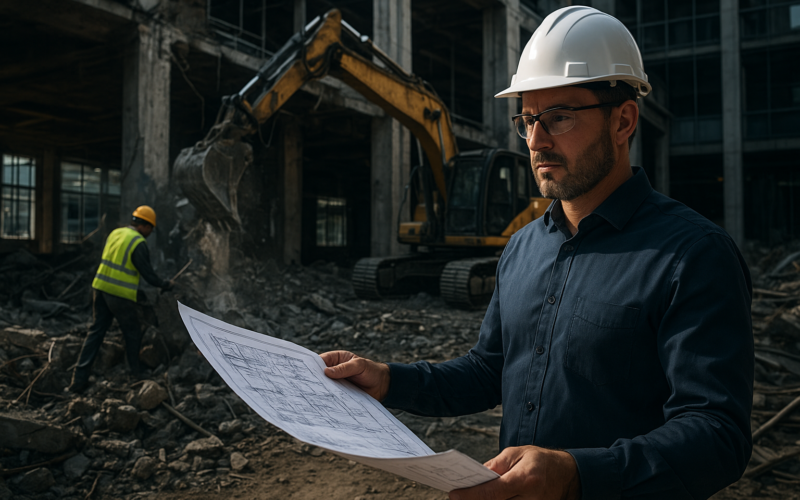
Every successful project begins with precise planning. Effective project planning is paramount when executing commercial projects—especially in a city as dynamic as New York. At VOLK Industrial, the planning phase considers multiple factors, including budget constraints, regulatory requirements, and the unique demands of each project.
Understanding Project Complexity
So, what makes a commercial project complex? Complexity often arises from multiple interdependent factors:
- Regulatory Environment: Navigating local codes and permits can be a daunting process.
- Stakeholder Management: Projects often require collaboration among architects, engineers, and city officials.
- Technical Challenges: Incorporating advanced technology or design elements can complicate implementation.
- Budget Management: Keeping costs within the allocated budget while maintaining quality standards can be challenging.
VOLK Industrial excels in evaluating these complexities to devise tailored strategies that ensure project success on every level.
Expertise in Commercial Demolition
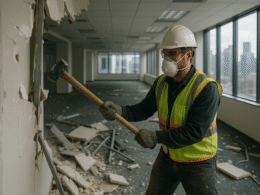
One area where VOLK Industrial particularly shines is in commercial demolition. Demolition is often the first step in a larger project and requires a careful approach to ensure safety and compliance with local regulations. VOLK Industrial employs skilled technicians who are trained in demolition safety standards, making sure that every project is handled with the utmost care.
The Commercial Demolition Process
The commercial demolition process involves several stages:
- Site Assessment: Comprehensive inspections help identify potential hazards and develop safety protocols.
- Permitting: VOLK ensures all necessary permits are acquired, following regulatory requirements meticulously.
- Demolition Plan: A customized plan is developed, specifying methods and timelines tailored to the project’s needs.
- Execution: Highly trained professionals carry out the demolition under strict oversight and safety measures.
Through each phase, VOLK Industrial’s team maintains clear communication with clients to provide updates and address any concerns that may arise.
Project Management: Seamless Execution
Once the planning and initial phases are complete, it’s time for execution—the heart of VOLK Industrial commercial projects. Effective project management is what transforms plans into reality.
Timelines and Milestones
Managing timelines is crucial for the success of any commercial project. At VOLK Industrial, we break down the project into manageable milestones that offer clients a clear view of progress. Each milestone is tracked meticulously to ensure that the project stays on schedule.
Communication and Transparency
Transparency is key to effective project management. Regular updates and open lines of communication between stakeholders promote collaboration and address issues before they escalate. VOLK Industrial prioritizes client satisfaction, and ongoing dialogue is a cornerstone of our project management approach.
Industries Served by VOLK Industrial
VOLK Industrial’s expertise spans various sectors, making it a versatile leader in handling complex commercial projects. Some of the industries we serve include:
- Retail: Custom renovations catering to customer experience and branding.
- Healthcare: Facilities that adhere to strict safety and cleanliness standards.
- Education: Safe and efficient construction for schools and educational institutions.
- Hospitality: Renovations that enhance guest experiences in hotels and resorts.
- Corporate: Modern office spaces designed to reflect company culture and improve productivity.
By understanding the unique needs of each industry, VOLK Industrial successfully tailors its approach for the best possible outcomes.
Conclusion
Handling complex commercial projects in New York City requires a blend of expertise, strategic planning, and seamless execution. VOLK Industrial stands out with its commitment to safety, quality, and client satisfaction throughout the entire process. If you’re looking to embark on a monumental commercial project, trust VOLK Industrial to deliver exceptional results.
Request a consultation today to see how we can bring your project vision to life, ensuring it meets all expectations and requirements. Visit Contact to get in touch with our team, and explore our Commercial Services to learn more about how we can assist you. Don’t let project complexities overwhelm you; let VOLK Industrial guide you through!
Frequently Asked Questions
What makes projects complex?
Complex projects often involve numerous stakeholders, regulatory requirements, technical challenges, and tight deadlines. Proper planning and expert management are essential to navigate these complexities.
How are timelines managed?
Timelines are managed by breaking projects into phases with defined milestones. Regular updates and clear communication with clients help ensure that projects stay on track.
What industries are served?
VOLK Industrial serves a range of industries, including retail, healthcare, education, hospitality, and corporate sectors, providing customized solutions for unique project needs.
Why is communication crucial during a project?
Open communication fosters collaboration among stakeholders, allowing for conflicts to be resolved quickly and ensuring all parties are aligned with the project’s objectives.
What are the safety measures in place for commercial demolition?
Safety measures during demolition include site assessments, adherence to local regulations, thorough training for personnel, and the implementation of safety protocols to protect workers and the surrounding community.