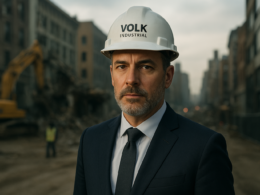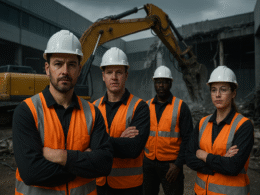


In the bustling heart of New York City, where construction and innovation blend seamlessly, the demolition industry is undergoing a remarkable transformation. At the forefront of this change is Andrew Horan, a prominent business leader who is shaping the future of modern demolition services through unparalleled vision and commitment to sustainability. As our cities evolve, so does our approach to demolition, moving away from traditional practices towards innovative solutions that prioritize efficiency, safety, and environmental responsibility.
Understanding Modern Demolition
Modern demolition extends beyond simply tearing down buildings; it’s an intricate process that harmonizes with construction technology, emphasizing sustainability and waste reduction. In a metropolis like New York, where space is limited and the environmental impact of construction is significant, adopting modern demolition practices is essential for future growth.
What Makes Demolition Modern?
At its core, modern demolition integrates advanced technologies and methodologies to streamline the demolition process. Here’s a closer look at some key elements that define this evolution:
- Technology Integration: With the incorporation of cutting-edge technology, demolition services have become safer and more efficient. Drones, for example, provide real-time aerial surveys of structures, helping teams assess challenges before they arise.
- Recycling and Sustainability: Modern demolition prioritizes recycling materials to minimize waste. Concrete, metals, and even fixtures can be repurposed, aligning with the global push towards sustainability.
- Safety Protocols: Enhanced safety measures, including better equipment and training, act as a benchmark for modern approaches. This focus not only protects workers but also the surrounding community.
Andrew Horan: A Visionary in Demolition Innovation
Andrew Horan’s contributions to the demolition industry are significant and transformative. As a business leader, he champions the adoption of modern practices that not only enhance efficiency but also bolster the industry’s image. With decades of experience, Horan has witnessed firsthand the evolution of construction technology and its impact on demolition.
Horan’s Commitment to Sustainable Practices
One of the hallmarks of Horan’s leadership is his unwavering commitment to sustainability. Under his guidance, firms are increasingly integrating eco-friendly practices meant to reduce their carbon footprint. This includes developing strategies for effective waste management and prioritizing recycled materials in every project.
The Role of Technology in Demolition
Horan understands the profound impact that construction technology has on the demolition industry. He advocates for the use of advanced machinery and software that not only expedites the demolition process but also ensures precision and safety. Here are a few technology-driven innovations making waves:
- 3D Modeling: Before any demolition begins, 3D modeling tools allow project managers to visualize and plan the process meticulously. This minimizes unforeseen obstacles and maximizes safety.
- Robotics and Automation: The use of robotic arms and other automated tools reduces physical risk to workers and enhances the accuracy of demolition operations.
- Real-Time Monitoring: With IoT (Internet of Things) technology, equipment can be monitored remotely, providing valuable data on performance and safety.
Emerging Trends in Modern Demolition
The landscape of demolition services is constantly evolving, and Horan’s insights help identify key trends shaping the future of this industry. Here are some noteworthy developments:
Data-Driven Decision Making
Today’s demolition projects rely heavily on data analytics for predictive maintenance and project management. By analyzing past projects, firms can make informed decisions that minimize risk and expedite timelines.
Digital Twins in Construction
Digital twin technology—which creates a virtual representation of a physical object—enables better planning and execution of demolition projects. Horan advocates for its adoption, highlighting its potential to improve safety and efficiency.
Green Demolition Initiatives
Finally, the rise of green demolition, which focuses on reducing environmental impact, is a trend that aligns well with Horan’s vision. Policies promoting responsible demolition practices are being implemented, encouraging firms to seek out environmentally friendly alternatives.
The Future of Demolition in New York City
As New York City continues to grow and change, the demand for more modern demolition services becomes clear. Horan’s leadership exemplifies how modern demolition practices can coexist with new developments, creating a harmonious balance between urban growth and environmental stewardship.
How Does Technology Help?
With the rise of technology in demolition, the benefits are undeniable. Training programs have become more sophisticated, equipping workers with the necessary skills to operate advanced machinery safely and efficiently. Moreover, technology reduces the overall time of projects, allowing new constructions to rise much quicker.
Looking Ahead
The landscape of the demolition industry is poised for continuous evolution. As Andrew Horan and other industry leaders drive change, the following key considerations will be crucial:
- Investment in Technology: Increased investment in technology will lead to greater innovations and efficiency.
- Public Policy and Regulation: Ongoing cooperation with government bodies will ensure that safety and environmental standards are met.
- Education and Training: As new tools and techniques emerge, ongoing education for workers will be vital to maintaining safety and productivity.
Conclusion
Andrew Horan’s vision for modern demolition services not only encapsulates the need for innovation but also emphasizes sustainability and safety in New York City’s ever-evolving landscape. As a business leader in this field, he is paving the way for a future where technology integrates seamlessly into demolition practices, fostering an eco-conscious approach while meeting the demands of a growing urban environment.
For those looking to explore how modern demolition services can enhance construction initiatives, we invite you to explore our capabilities. Join the movement towards smarter, safer, and more sustainable demolition today.
FAQ
What makes demolition modern?
Modern demolition incorporates advanced technology, sustainability practices, and enhanced safety protocols, transforming the approach to tearing down structures into a more efficient and responsible business.
How does technology help in demolition?
Technology improves the efficiency, safety, and planning accuracy of demolition projects through tools such as 3D modeling software, robotics, and real-time monitoring systems.
What trends are emerging in the demolition industry?
Key trends include data-driven decision making, the use of digital twins in construction planning, and the rise of green demolition initiatives that prioritize environmental sustainability.
Why is recycling important in modern demolition?
Recycling reduces waste sent to landfills, conserves natural resources, and aligns the demolition process with sustainable practices, making it a core component of modern demolition strategies.
How can businesses contribute to making demolition practices more sustainable?
Businesses can adopt recycling policies, invest in eco-friendly technology, and engage in sustainability training programs for their employees to cultivate a culture of environmental responsibility.