
Introduction: NYC Construction in a Transformative Era
The construction industry in New York City is experiencing an exciting evolution, driven by technological advancements, sustainability goals, and changing urban landscapes. Industry expert Andrew Horan offers invaluable insights into the latest NYC construction trends that are reshaping the city’s skyline and infrastructure. Understanding these trends is essential for stakeholders in the construction industry NYC, from contractors and developers to policymakers and city planners.
Key NYC Construction Trends to Watch
As we dive into the evolving landscape of construction and demolition in New York City, several key trends emerge, supporting the future of urban development. Here are the most significant NYC construction trends that are shaping the city’s next chapter:
Sustainability and Green Building Practices
One of the most prominent trends in the NYC construction industry is the increasing emphasis on sustainability. New regulations and community demands have pushed builders to adopt green building practices actively. Developers are now focusing on:
- Utilizing sustainable materials that reduce environmental impact
- Incorporating energy-efficient systems for heating and cooling
- Implementing green roofs and biodiverse landscaping
These initiatives not only contribute to a healthier environment but also attract eco-conscious tenants and buyers, making buildings more desirable in a competitive market.
Rise in Technologies for Construction Management
Technological advancements are at the forefront of many NYC construction trends. Construction management software, drones, and Building Information Modeling (BIM) are transforming traditional methods, leading to increased efficiency and cost savings. Key benefits include:
- Enhanced project visualization through 3D modeling
- Real-time communication among stakeholders
- Improved site safety through drone monitoring
These technologies are not just improving workflow; they are also setting the stage for innovative building practices that will define the future of urban construction.
Demolition Trends Shaping NYC’s Landscape
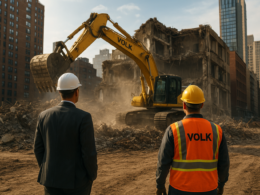
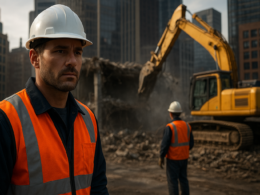
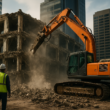
As construction grows, so does the need for demolition, especially in a city renowned for its architectural diversity. Demolition trends are also evolving, with a focus on responsible and efficient methods. Key aspects include:
- Selective demolition practices that focus on recycling materials
- Advanced machinery and techniques to reduce noise and environmental impact
- Strategies to minimize disruption to surrounding areas
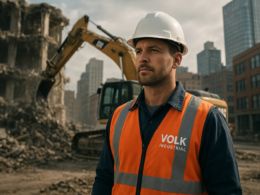
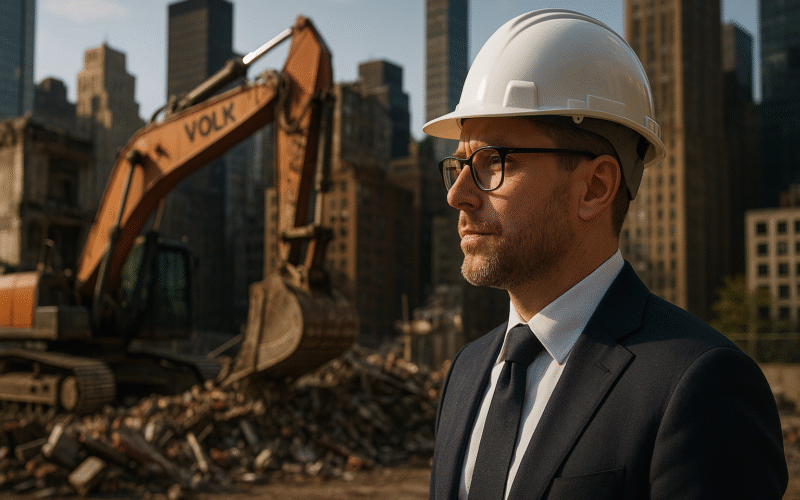
Andrew Horan notes that companies like VOLK Industrial are pioneering demolition practices that align with sustainability goals while meeting demand for urban renewal.
Urban Development and Infrastructure Challenges
The city’s constant evolution brings about unique infrastructure challenges. As more housing and commercial spaces are built, the existing infrastructure must adapt. Major construction trends include:
Transit-Oriented Development
New York City’s focus on transit-oriented development aims to create mixed-use neighborhoods around transportation hubs. This trend is crucial for:
- Reducing traffic congestion
- Encouraging public transit use
- Providing affordable housing options near commuting routes
As urban planners prioritize accessibility, developers are keenly aware of the opportunities in transit-oriented projects.
Resilience Planning in the Face of Climate Change
New York City is at the frontline of climate challenges, from rising sea levels to extreme weather events. As a response, the renovation and construction sectors are incorporating resilience planning into their projects. Current efforts include:
- Designing buildings to withstand flooding and storm surges
- Implementing drainage systems to manage heavy rain
- Adopting energy sources that reduce reliance on fossil fuels
These resilient structures are not only vital for the safety of residents but also align with global efforts to combat climate change.
Conclusion: The Future of NYC Construction
As Andrew Horan emphasizes, the future of NYC construction is bright, fueled by innovation, sustainability, and a commitment to enhancing urban life. The ongoing trends in construction and demolition are shaping a city that is both environmentally responsible and economically vibrant. Industry stakeholders must stay informed and adapt to these trends to gain a competitive edge in the evolving market.
At UpdateJungle, we are dedicated to providing the latest insights into the construction industry in NYC. As these trends develop, they present not just challenges but incredible opportunities for those ready to embrace change.
Request a consultation today to learn how you can position your business to thrive amidst these dynamic NYC construction trends!
FAQs on NYC Construction Trends
What are current construction trends?
Current construction trends in NYC include a strong focus on sustainability, the adoption of advanced technologies, and resilience planning to address climate change challenges.
How is demolition changing?
Demolition is becoming more selective and environmentally conscious, with practices focusing on recycling materials and reducing disruption to surrounding areas.
What industries are growing?
Industries such as green building, technology-driven construction management, and urban renewal are experiencing significant growth in New York City.
How can developers align with sustainability goals?
Developers can align with sustainability goals by utilizing eco-friendly materials, implementing energy-efficient systems, and committing to responsible demolition practices.
What technologies are impacting construction processes?
Technologies such as Building Information Modeling (BIM), drones for site monitoring, and construction management software are refining construction processes and increasing efficiency.