


Understanding OSHA Compliance in the Demolition Industry
In the fast-paced world of demolition, safety should never be an afterthought. For professionals like Andrew Horan, OSHA compliance isn’t just a regulatory requirement; it’s a crucial aspect of ensuring the safety of workers and the public alike. OSHA, or the Occupational Safety and Health Administration, sets forth regulations that help maintain high safety standards across various industries, particularly in high-risk areas such as demolition. In this article, we will delve deep into the significance of OSHA demolition compliance and why it is paramount for companies operating in New York City.
The Foundation of OSHA Demolition Compliance
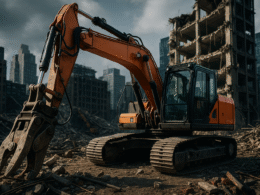
OSHA demolition compliance refers to the adherence to specific regulations laid out by OSHA regarding demolition operations. These regulations are designed to protect workers from potential hazards associated with demolition activities, which often include falling debris, exposure to hazardous materials, and the use of heavy machinery.
Why Is OSHA Compliance Important?
The importance of OSHA compliance in demolition cannot be overstated. Here are several reasons why adhering to these regulations is essential:
- Worker Safety: The primary goal of OSHA regulations is to prevent workplace injuries. By following these guidelines, companies significantly reduce the risks of accidents on-site.
- Legal Compliance: Non-compliance can lead to legal consequences, including hefty fines and penalties. Staying compliant ensures that businesses avoid these risks.
- Enhanced Reputation: Companies that prioritize safety often build a positive reputation within the industry, attracting more clients who value responsible practices.
- Cost-Effective: Implementing safety measures can reduce accident-related costs, including medical expenses and downtime, which saves money in the long run.
- Employee Morale: A safe working environment contributes to higher employee morale, leading to increased productivity and lower turnover rates.
Key OSHA Regulations for Demolition
Understanding the specific OSHA regulations relevant to demolition is vital for ensuring compliance. Here are some of the critical regulations that must be followed:
1. Hazard Communication Standard (HCS)
The Hazard Communication Standard requires that workers are informed about hazardous materials they may encounter during demolition. Companies must provide Material Safety Data Sheets (MSDS) and conduct proper training to ensure that employees understand the risks associated with these materials.
2. Fall Protection Standards
According to OSHA regulations, fall protection must be provided at elevations of six feet in the construction industry. This means that proper safety harnesses, guardrails, and other protective measures must be in place to prevent falls when workers are dismantling structures.
3. Equipment Safety Procedures
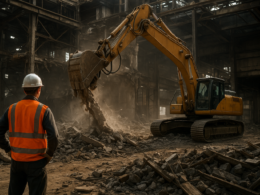
Heavy machinery is often utilized in demolition projects. OSHA requires that all equipment be regularly maintained and inspected. Additionally, operators should be trained to handle machinery safely, which reduces the risk of accidents.
4. Personal Protective Equipment (PPE)
Employees need to wear appropriate PPE, including hard hats, gloves, safety glasses, and respiratory protection, as mandated by OSHA. Adhering to these guidelines significantly decreases the likelihood of injuries on the job.
The Role of VOLK Industrial Safety
With the complexities involved in demolition safety, organizations like VOLK Industrial safety play a crucial role in helping businesses meet OSHA demolition compliance. They provide training, certifications, and resources that empower construction companies to implement effective safety measures. By partnering with experts like VOLK, businesses not only fulfill regulatory requirements but also foster a culture of safety among their teams.
Implementing Effective Compliance Strategies
Maintaining OSHA compliance requires a proactive approach. Here are some strategies that demolition firms can employ to ensure they remain compliant:
1. Regular Training Programs
Conducting regular training for employees on OSHA regulations, safety protocols, and proper equipment handling is essential. These programs should be tailored to address the specific challenges faced during demolition projects.
2. Safety Audits
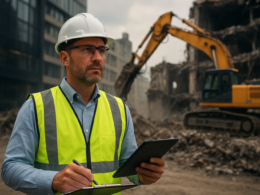
Periodically conduct safety audits to identify potential hazards and assess compliance with OSHA regulations. These audits help businesses take corrective actions before incidents occur.
3. Clear Communication of Policies
All employees, from laborers to management, should have a clear understanding of safety policies and procedures. Ensure that everyone is aware of their responsibilities in maintaining safety and compliance during demolition activities.
Maintaining OSHA Compliance: A Continuous Process
OSHA compliance is not a one-time effort but a continuous process. Adapting to changes in regulations, technology, and operational procedures is vital for ongoing compliance. Here’s how businesses can maintain their compliance over time:
1. Stay Updated on OSHA Regulations
OSHA updates its regulations periodically, and it is crucial for businesses to stay informed about these changes. Regularly reviewing the OSHA website or subscribing to industry newsletters ensures that companies remain up-to-date.
2. Implement Feedback Mechanisms
Create channels through which employees can report safety concerns or suggest improvements. This feedback loop can provide valuable insights into areas where compliance may be lacking.
3. Document Everything
Meticulously document all training sessions, safety audits, incidents, and compliance efforts. Having thorough records can be helpful during inspections or audits to demonstrate adherence to OSHA standards.
Conclusion
Andrew Horan’s focus on OSHA compliance underscores its critical role in the demolition industry. In New York City, where construction activities are bustling, adhering to regulations is vital for protecting workers and the community. Companies that prioritize OSHA demolition compliance not only enhance safety but also cultivate a positive reputation that translates to greater business success.
As you navigate the complexities of demolition, it’s imperative to embrace robust safety standards and compliance strategies. Adopting these practices not only safeguards your workforce but also positions your company as a leader in the industry.
If you’re interested in learning more about our high safety standards and how we ensure compliance with demolition safety regulations, learn more here.
Frequently Asked Questions About OSHA Compliance
What is OSHA compliance?
OSHA compliance refers to the adherence to the standards and regulations set by the Occupational Safety and Health Administration, aimed at ensuring workplace safety and health, particularly relevant in industries like demolition.
Why is OSHA compliance important?
OSHA compliance is crucial for protecting workers’ safety, preventing legal penalties, enhancing company reputation, and promoting employee morale while saving costs associated with workplace injuries.
How is compliance maintained?
Compliance is maintained through regular training, safety audits, clear communication of policies, and staying updated on OSHA regulations. Proper documentation of all safety measures is also vital.
What are the penalties for non-compliance?
Non-compliance with OSHA regulations can lead to significant fines, penalties, and in severe cases, shutdowns of operations. This not only affects financial stability but also tarnishes an organization’s reputation.
What role do safety audits play in compliance?
Safety audits help identify potential hazards, evaluate compliance with regulations, and recommend corrective actions. They are essential for maintaining workplace safety and meeting OSHA standards.