


Introduction
Managing complex urban projects is no small feat, especially in a bustling metropolis like New York City. With towering skyscrapers, busy streets, and dense populations, urban demolition requires expert planning, precision, and a deep understanding of local regulations. Andrew Horan, a seasoned leader in the field of demolition, has honed his skills managing some of the city’s most challenging urban demolition projects. This article shares insights from Andrew’s extensive experience while highlighting key considerations for successful urban demolition NYC.
Understanding Urban Demolition
Urban demolition refers to the process of tearing down structures in densely populated areas like NYC. This specialty requires not only technical expertise but also a nuanced approach to address the unique challenges posed by surrounding buildings and infrastructure. As urban demolition experts, professionals like Andrew prioritize safety, efficiency, and environmental responsibility throughout each phase of their projects.
The Importance of Expertise
When it comes to urban demolition, employing city demolition experts can make all the difference. These specialists understand the intricacies involved and possess a thorough knowledge of the following:
- Local laws and regulations
- Safety standards
- Environmental impact assessments
Whether it’s controlled demolition to minimize risks or managing logistics in tight spaces, experienced professionals can navigate the complexities effectively.
Andrew Horan’s Approach to Urban Demolition Projects
Andrew Horan emphasizes a comprehensive approach to urban demolition. This means prioritizing safety, sustainability, and community engagement. Here is a breakdown of his strategies:
1. Detailed Project Planning
Each urban demolition project begins with thorough planning. This involves assessing the site, understanding the structure to be demolished, and identifying surrounding buildings. By conducting meticulous assessments, Horan’s team can anticipate challenges and devise strategic solutions.
2. Controlled Demolition Techniques
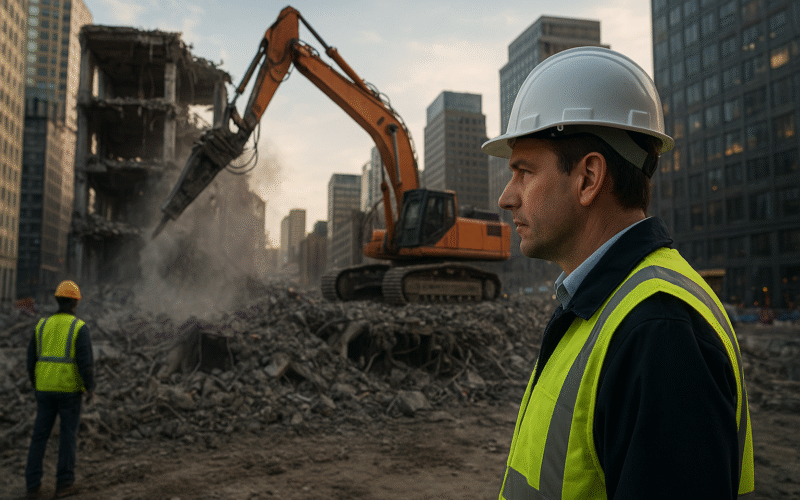
One of the hallmarks of Horan’s methodology is the use of controlled demolition techniques. These methods allow for greater precision and minimize collateral damage. Whether it’s using explosives or hydraulic excavators, Horan’s team ensures that demolitions are executed with utmost care to protect neighboring properties and maintain safety standards.
3. Community Engagement
Urban demolition projects can impact the local community significantly. Andrew believes in transparent communication with residents and business owners. Engaging the community allows for feedback and helps to build trust, ensuring that everyone is informed about the processes and timelines of the project.
Mitigating Risks in Urban Demolition
Urban demolition comes with inherent risks, including structural failures or disruption to services. To mitigate these risks, Andrew Horan implements several safety protocols:
1. Protecting Neighboring Buildings
One of the main concerns during urban demolition is the protection of adjacent structures. Horan’s team uses measures such as:
- Scaffolding and netting
- Monitoring equipment for vibration and structural integrity
- Clear communication with neighboring building management
These tactics ensure that while a building is coming down, no undue stress is placed on surrounding properties.
2. Regulatory Compliance
Every demolition project in NYC requires multiple permits. These include:
- Demolition permits
- Environmental assessment permits
- Safety inspections
Andrew Horan’s expertise in navigating the red tape of city regulations ensures that all necessary permits are acquired well in advance, preventing delays and legal issues during project execution.
The Role of Technology in Urban Demolition
Today, technology plays a crucial role in urban construction and demolition. Andrew Horan leverages advanced tools and techniques to enhance efficiency and safety:
Drones for Site Assessments
Drones are increasingly being used for aerial site assessments. They provide real-time data, allowing for accurate planning and monitoring throughout the demolition process. Horan’s use of drones enhances situational awareness and helps ensure that the demolition proceeds smoothly.
3D Modeling and Simulation
Advanced 3D modeling software allows project teams to visualize demolitions before they happen. This proactive approach reduces unexpected issues and allows for better decision-making regarding sequencing and timing.
Case Study: A Major Urban Demolition Project
Andrew Horan has led numerous urban demolition projects in NYC. One standout project involved the careful demolition of a mid-century office building in Manhattan. Let’s break down the steps taken to ensure success:
Project Overview
This particular site was surrounded by high-rise condos, a busy street, and essential public utilities. The challenge was to demolish the structure while maintaining the integrity of neighboring buildings.
Phase 1: Planning and Engagement
The project kicked off with extensive planning sessions. Horan’s team met with local residents to address concerns, establish timelines, and outline safety protocols. This community-focused approach fostered goodwill and clear communication.
Phase 2: Execution
Once the permits were secured, the team mobilized equipment for controlled demolition. Utilizing precision techniques, they methodically tore down the structure while continuously monitoring vibrations and adjacent buildings for safety.
Phase 3: Debris Management and Site Restoration
A vital aspect of urban demolition is debris management. Horan’s team ensured that all materials were recycled whenever possible and that the site was restored to fit future urban construction plans.
Conclusion
Managing complex urban projects requires a blend of expertise, planning, and community engagement. Andrew Horan exemplifies how city demolition experts can navigate the challenges of urban demolition NYC with finesse. By prioritizing safety, employing controlled demolition techniques, and utilizing technology, Horan ensures that projects are completed efficiently and responsibly.
If you’re looking to manage an urban demolition project in New York City, consider leveraging the experience of Andrew Horan and his team. With their commitment to safety and excellence in urban construction, you can confidently move forward with your demolition needs. Request a consultation today!
Frequently Asked Questions (FAQ)
What is urban demolition?
Urban demolition involves the dismantling of structures in densely populated areas while considering the surrounding environment and community. It requires specialized techniques to ensure safety and compliance with local regulations.
How are neighboring buildings protected during demolition?
Neighboring buildings are protected through measures such as scaffolding, continuous structural monitoring, and utilizing controlled demolition techniques to minimize vibrations and impacts.
What permits are required for urban demolition?
Demolition projects in NYC typically require several permits including demolition permits, environmental assessments, and safety inspections. It’s crucial to work with experts familiar with local regulations to secure all necessary approvals.
What role does technology play in urban demolition?
Technology enhances urban demolition through the use of drones for site assessments and 3D modeling for better planning and execution. These tools help streamline processes and improve safety outcomes.
Why is community engagement important in urban demolition projects?
Community engagement is essential for addressing concerns of residents and local businesses. Open communication fosters trust, mitigates disruptions, and ensures that all stakeholders feel informed and respected throughout the demolition process.