




Introduction
As we stand on the brink of a new era in construction, the insights of industry leaders are shaping the trajectory of this $1.3 trillion sector. Among these voices, Andrew Horan offers a compelling perspective on the future of construction in New York City and beyond. With a keen eye for construction innovation and emerging demolition trends, Horan’s vision melds technology with sustainable practices to create a blueprint for modern building and renovation.
Andrew Horan: A Visionary Leader
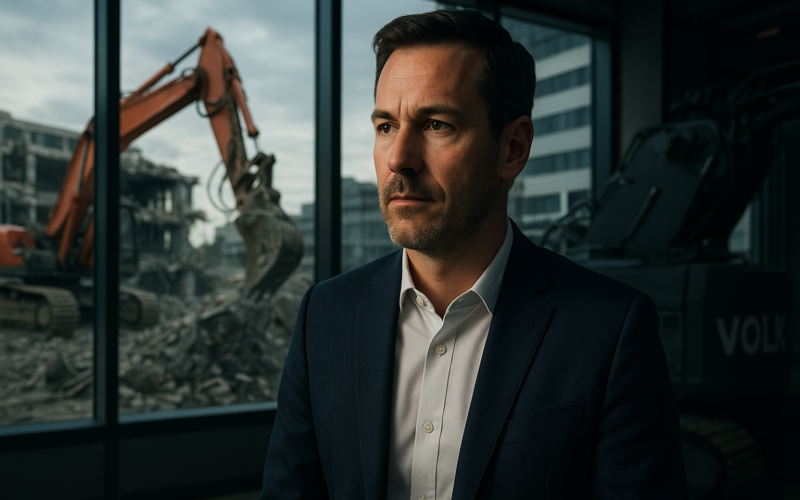
Andrew Horan has built his career at the intersection of construction and technology, pushing the boundaries of what is possible in the industry. As the CEO of VOLK Industrial, Horan is deeply involved in redefining how construction projects are executed. His approach incorporates cutting-edge technologies and methods designed to streamline processes, enhance safety, and reduce environmental impact.
The Current State of the Construction Industry
Before diving into Horan’s vision, it’s crucial to understand the current landscape of the construction industry in New York City. In recent years, the sector has experienced fluctuations due to various factors, including economic uncertainties and the ongoing impact of the COVID-19 pandemic. However, the demand for new projects and renovations continues to grow, creating ample opportunities for innovation.
Challenges Facing the Industry
Despite the potential for growth, the construction industry is not without its challenges. Labor shortages, rising material costs, and regulatory hurdles often impede progress. Horan argues that overcoming these obstacles requires a commitment to adopting innovative practices and embracing a transformation in how we approach construction projects.
Construction Innovation: The Path Forward
One of the most exciting aspects of Horan’s perspective on the future of construction is his emphasis on construction innovation. He believes that leveraging technology and innovative methods will revolutionize the industry. Here are several key areas where innovation is poised to make a significant impact:
1. Building Information Modeling (BIM)
BIM technology is already changing the way construction professionals visualize and manage projects. It provides a 3D blueprint that enhances collaboration among stakeholders, improves project accuracy, and reduces costs while minimizing delays. Horan envisions a future where BIM becomes the standard for all construction projects, leading to a more efficient process.
2. Prefabrication and Modular Construction
Prefabrication and modular construction techniques are gaining traction as they allow for significant time and cost savings. Andrew Horan advocates for these methods, arguing that they not only streamline the construction process but also enhance quality control. By manufacturing components off-site, construction teams can minimize on-site disruptions and reduce waste.
3. Sustainable Practices
Sustainability is another critical focal point in Horan’s vision. He emphasizes the importance of eco-friendly materials and energy-efficient designs in shaping the future of construction. As urban areas grapple with climate change, adopting green building practices will be essential for reducing environmental impacts.
Demolition Trends and Their Impact
While much attention is given to new construction, the role of demolition in shaping urban environments is equally important. Andrew Horan recognizes that understanding current demolition trends can illuminate pathways for future opportunities. Here are some prominent trends that Horan highlights:
1. Selective Demolition
Selective demolition involves the careful removal of specific parts of a structure while preserving others for reuse or renovation. This approach aligns with sustainable practices and reduces the amount of waste generated from deconstruction. Horan sees this trend as an avenue for innovation in urban redevelopment.
2. Reuse and Recycling of Materials
Moreover, Horan points out an increasing emphasis on recycling materials from demolished structures. As the construction industry shifts towards a circular economy, reusing materials not only fills sustainability goals but also cuts costs associated with purchasing new materials.
3. Enhanced Safety Protocols
Safety is paramount in any construction or demolition project. Horan advocates for the integration of advanced robotics and AI technology to improve safety measures during demolition processes. These innovations can help minimize risks to workers while maintaining efficiency.
Embracing Technology for the Future
Technology is reshaping the construction industry, and Andrew Horan is at the forefront of this transformation. From software solutions that streamline project management to advanced machinery that enhances precision, technology offers numerous benefits. The integration of AI, machine learning, and the Internet of Things (IoT) will only accelerate this evolution.
Smart Construction
With the rise of smart technologies, Horan sees the potential for construction sites to become increasingly connected. Smart sensors can monitor equipment and environmental conditions, ensuring that projects remain on track with minimal disruptions. This connectivity not only enhances productivity but also informs data-driven decision-making.
Collaboration Platforms
In addition to physical technology, collaboration platforms are becoming vital for bringing all stakeholders together. Horan emphasizes the need for cloud-based solutions that allow for real-time communication among architects, engineers, contractors, and clients. This unified approach can minimize misunderstandings and streamline the construction process.
Opportunities on the Horizon
As we think about the future of construction, it’s essential to recognize the opportunities emerging from these trends and innovations. For professionals looking to capitalize on the changing landscape, Horan highlights several key areas of growth:
1. Green Building Certifications
With the push for sustainability, there’s a growing demand for professionals trained in green building certifications, such as LEED (Leadership in Energy and Environmental Design). This offers a significant opportunity for construction companies to differentiate themselves and appeal to eco-conscious clients.
2. Urban Redevelopment Projects
Urban areas in New York City are ripe for redevelopment. Horan encourages construction firms to focus on revitalizing existing structures, which not only preserves the city’s history but also meets contemporary building standards and sustainability goals.
3. Workforce Development
Investing in the workforce is crucial for future success. Horan stresses the importance of training programs that equip workers with the skills needed to adapt to new technologies. By fostering a technologically adept workforce, companies will be better prepared for the challenges ahead.
Conclusion
Andrew Horan’s insights into the future of construction challenge industry professionals to think innovatively and embrace change. The trends in construction innovation and demolition trends he identifies not only address current challenges but also open doors to new opportunities. As New York City continues to evolve, the construction sector must adapt to meet the demands of a changing environment. By prioritizing sustainability, leveraging technology, and fostering collaboration, the industry can position itself for a brighter, more efficient future.
To learn more about how VOLK Industrial can assist you in navigating the latest trends in construction and demolition, contact VOLK Industrial today.
FAQs
What trends will shape the future of construction?
Trends such as increased use of BIM, modular construction, sustainable practices, and renovation of existing structures are shaping the future of construction, creating a more efficient and eco-friendly industry.
How is technology changing construction?
Technology is revolutionizing construction through automation, AI, and advanced collaboration platforms that improve efficiency, accuracy, and safety on job sites.
What opportunities exist in construction for the future?
Future opportunities include a focus on green building certifications, urban redevelopment projects, and investment in workforce training to adapt to new technologies.
How can companies embrace sustainability in construction?
Companies can embrace sustainability by using eco-friendly materials, adopting green building practices, and focusing on selective demolition and material recycling.
What role does workforce development play in the future of construction?
Workforce development is crucial for equipping workers with the necessary skills to adapt to innovative construction technologies, ensuring a skilled labor force ready for the challenges of the future.