

Understanding Industrial Facility Demolition
When it comes to industrial facility demolition, the goal is far more than merely tearing down buildings. This complex process requires specialized knowledge, skilled labor, and heavy machinery demolition to ensure safety and efficiency. In bustling cities like New York City, where space and safety are paramount, understanding the nuances of this service becomes essential for businesses looking to repurpose, upgrade, or replace their industrial infrastructure.
What is Industrial Demolition?
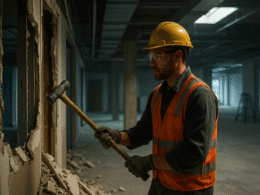
Industrial demolition refers to the systematic dismantling of structures associated with manufacturing, production, or warehouse operations. This kind of demolition encompasses a wide range of activities, from the complete teardown of plants to the targeted demolition of specific sections within a facility. Unlike residential demolition, industrial projects often involve hazardous materials, complex systems, and sizable equipment, making specialized services vital.
The Importance of Specialized Services
Choosing specialized industrial demolition services is crucial for a variety of reasons:
- Expertise and Knowledge: Professionals understand local regulations, safety standards, and environmental considerations essential for NYC.
- Advanced Equipment: Heavy machinery is often necessary for large-scale demolition projects, requiring operators skilled in its use.
- Resource Recovery: Specialists can help in salvaging materials, minimizing waste and maximizing recycled content.
Challenges in Industrial Demolition
Regulatory Compliance
Industrial demolition in New York City is subject to rigorous regulations. Compliance involves obtaining permits, adhering to safety standards, and managing waste disposal correctly. Each project demands a detailed understanding of local laws to avoid penalties and ensure public safety.
Hazardous Materials
Many older industrial facilities harbor hazardous materials like asbestos, lead, or other chemicals. Specialized contractors need training and equipment to handle such materials safely, ensuring the environment and worker safety are prioritized throughout the demolition process.
Complex Infrastructure
Industrial facilities often have complex internal systems, including electrical, plumbing, and mechanical components. Disentangling these systems requires skilled teamwork and an in-depth understanding of the facility’s architecture.
Preparing for an Industrial Demolition Project
Preparation is a key element of successful industrial facility demolition. Here’s what needs to be done before the physical work begins:
- Site Assessment: Conduct a thorough evaluation of the structure, identifying hazardous materials and complexities associated with the facility.
- Planning and Permitting: Develop a detailed demolition plan that adheres to all local regulations, working closely with city officials to secure all necessary permits.
- Safety Measures: Establish a robust safety plan that encompasses worker protection as well as public safety.
Equipment Used in Industrial Demolition
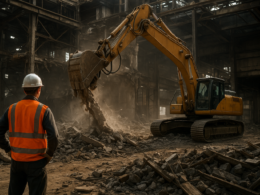
Industrial demolition contractors employ a wide variety of equipment to manage different aspects of the demolition process. Here are some common types:
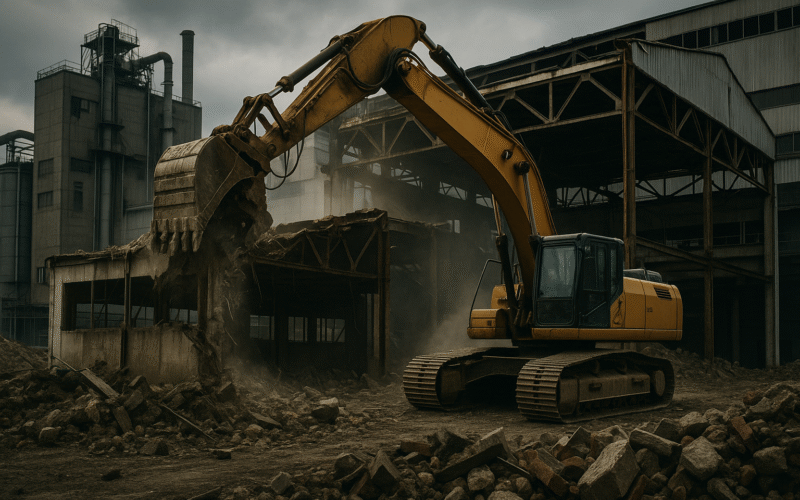
- Excavators: Versatile machines capable of tearing down structures, digging, and moving debris.
- Bulldozers: Perfect for clearing away rubble and preparing the site for future construction.
- Crushers: Used for breaking down concrete and other debris into manageable sizes for disposal or recycling.
- Skid Steer Loaders: Ideal for maneuvering in tight spaces, often seen in warehouse demolition projects.
Selecting the Right Warehouse Demolition Contractors
Selecting the appropriate warehouse demolition contractors is a critical step in ensuring a high-quality demolition project. Here are some tips to aid in your selection process:
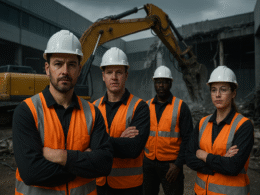
- Experience: Look for contractors with a proven history in industrial facility demolition, particularly in handling similar structures.
- Safety Record: Check their safety ratings and compliance history—demolition work should prioritize safety above all.
- References: Ask for previous project references to gauge their reliability and quality of work.
- Insurance and Licensing: Ensure they have the requisite licenses and insurance to operate legally and safely in NYC.
Post-Demolition Considerations
Once the demolition is complete, several next steps should follow:
- Site Cleanup: Clear away all debris and hazardous materials, preparing the site for future use.
- Recycling: Consider the potential for recycling materials, reducing environmental impact.
- Future Planning: Work with contractors to plan for new construction or renovation in the cleared space.
Conclusion
Specialized industrial facility demolition is not just about ridding a space of unwanted structures; it encompasses planning, safety, and adherence to regulations. With New York City’s unique landscape, selecting the right professionals ensures that your demolition project is executed safely and efficiently. At UpdateJungle, we understand the intricacies of industrial demolition and are here to help you navigate this essential undertaking.
Ready to begin your industrial demolition project? Request an industrial demolition estimate today!
FAQ Section
What is industrial demolition?
Industrial demolition involves the comprehensive dismantling of structures related to production and manufacturing, requiring specialized knowledge, equipment, and regulatory compliance.
What challenges exist in industrial demolition?
Challenges include regulatory compliance, managing hazardous materials, and dealing with complex infrastructure associated with industrial facilities.
What equipment is used?
Common equipment includes excavators, bulldozers, crushers, and skid steer loaders, necessary for efficient and safe demolition operations.
How do I choose a warehouse demolition contractor?
Look for experience, a solid safety record, positive references, and proper insurance and licensing to ensure the best outcome for your demolition project.
What happens after demolition is complete?
Post-demolition, the site should be cleared of all debris, with consideration given to recycling materials and planning for future construction projects.