


Introduction
Demolition is often seen as a chaotic process characterized by the loud crash of machinery and falling debris. However, the reality is that safe demolition planning is crucial, especially in a bustling metropolis like New York City (NYC). With its unique landscape, dense population, and intricate building codes, thorough planning and adherence to regulations can turn a potentially hazardous endeavor into a streamlined operation. This article will delve into why safe demolition planning matters in NYC, with insights on necessary regulations, preparation, and the pivotal role of permits.
Understanding Safe Demolition Planning
Safe demolition planning refers to the meticulous process of preparing a demolition project to ensure safety, efficiency, and compliance with local laws. It encompasses everything from identifying hazardous materials to coordinating with local authorities. A well-structured plan minimizes risks, protects the environment, and maintains the safety of workers and the surrounding community.
The Importance of Safe Demolition Planning in NYC
In NYC, the importance of safe demolition planning cannot be overstated. Here are several reasons why careful planning is imperative:
1. Compliance with Demolition Regulations NYC
New York City has stringent demolition regulations that aim to protect public safety and the environment. Understanding and adhering to these regulations is critical for any demolition project. Failure to comply can result in fines, delays, and even legal repercussions. A thorough planning phase allows companies to navigate the complex landscape of municipal codes and laws effectively.
2. Ensuring Worker and Public Safety
Safety should always be the top priority in any demolition project. Proper planning helps identify potential risks such as falling debris or dust exposure, ensuring that workers and bystanders are safeguarded. It’s essential to create a robust safety plan that includes personal protective equipment (PPE) and safety protocols. When safe demolition planning is prioritized, you reduce the chances of accidents on-site.
3. Environmental Considerations
Noise, dust, and vibrations can significantly impact local communities. A safe demolition plan includes strategies for minimizing these effects, such as noise barriers and dust suppression methods. Additionally, an effective plan considers proper waste management and recycling of materials, aligning with New York’s environmental objectives.
4. Efficient Time and Cost Management
Well-thought-out demolition preparation can greatly enhance the efficiency of a project. By identifying potential challenges beforehand and organizing resources effectively, companies can avoid unexpected delays and costs. This proactive approach not only saves money but also fosters a smooth workflow that adheres to timelines.
Key Steps in Demolition Preparation
Every successful demolition project begins with careful preparation. Below are vital steps involved in safe demolition planning:
1. Conducting a Site Assessment
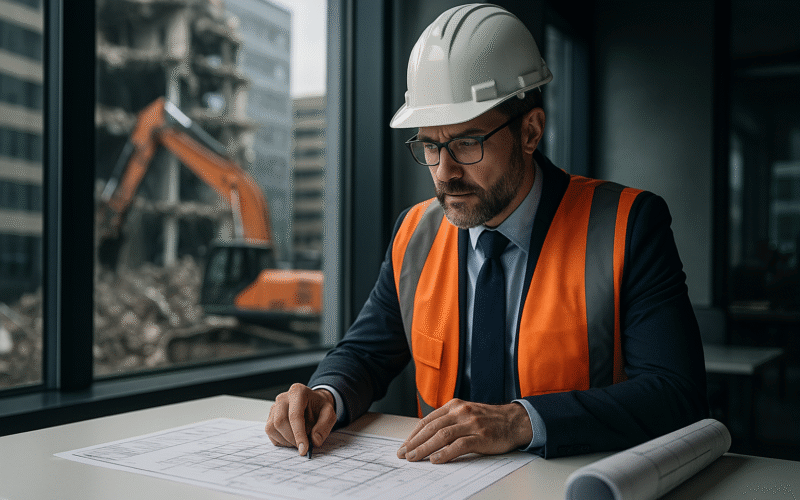
A comprehensive site assessment is the first step in planning. This includes identifying the condition of the building, checking for hazardous materials like asbestos, and evaluating the surrounding environment. Understanding the layout and infrastructure can inform the planning process and highlight potential challenges.
2. Obtaining Necessary Demolition Permits
Before any demolition activity begins, securing the appropriate demolition permits is essential. NYC requires several permits depending on the nature and scope of the project. Failing to obtain these can lead to project delays and financial penalties. Working with experienced professionals can streamline this process.
3. Developing a Safety Plan
A solid safety plan outlines the protocols and measures that will be implemented to ensure the safety of workers and surrounding communities. This includes specific protocols for emergency situations, safety training for workers, and a clear communication plan to keep everyone informed.
4. Coordinating with Local Authorities
Effective communication with local authorities, including fire and police departments, can improve safety and efficiency. Notifying them about the demolition schedule and any potential hazards is crucial for ensuring smooth operations during the project.
5. Engaging Professional Services
Given the complexity of demolition planning, hiring a professional demolition service like VOLK Industrial can significantly ease the burden. They possess the expertise and resources to handle everything from documentation to safety management. By engaging reliable services, the risks associated with demolition projects can be significantly mitigated.
The Role of VOLK Industrial in Safe Demolition Planning
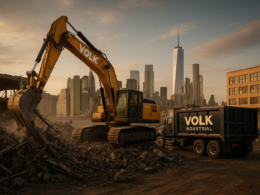
VOLK Industrial has established itself as a trusted partner in NYC’s demolition landscape. With a team of experienced professionals who understand local regulations and prioritize safety, VOLK Industrial is committed to ensuring that every demolition project progresses smoothly and efficiently.
The company utilizes advanced technology and robust risk management strategies to ensure compliance with all demolition regulations in NYC. VOLK Industrial also provides comprehensive permit services and collaborates closely with clients to develop customized safety plans tailored to each project.
Conclusion
Safe demolition planning is not merely a regulatory necessity; it is a cornerstone of successful projects in New York City. Through careful preparation, understanding of demolition regulations, and the collaboration with experienced professionals, the risks associated with demolition can be remarkably reduced. When safety and compliance are prioritized, the demolition process becomes safer and more efficient.
For expert assistance in safe demolition planning, contact VOLK Industrial today. Ensuring your project follows all regulations and promotes a safe working environment is our priority, and we are here to help guide you through every step of the process.
FAQs
What happens before demolition starts?
Before demolition begins, a thorough site assessment is conducted, potential hazards are evaluated, and the appropriate demolition permits are secured. Establishing a safety plan and coordinating with local authorities are also critical steps.
What permits are needed?
Demolition projects in NYC typically require a demolition permit, which outlines the types of work that will be performed and ensures compliance with local regulations. Additional permits may be needed depending on the specific details of the project.
Why is planning important?
Planning is essential to ensure compliance with regulations, enhance safety, manage costs and timelines, and minimize environmental impacts. A well-structured plan prepares contractors for potential challenges and promotes a successful demolition project.
How can I ensure safety during demolition?
To ensure safety, develop a comprehensive safety plan that includes training for workers, proper use of PPE, and emergency protocols. Regular safety meetings and clear communication are also vital to promoting a safe work environment.
Can I do demolition work without a permit?
No, conducting demolition work without the necessary permits is illegal and can lead to enforcement actions, fines, and project delays. It is crucial to obtain all required permits before beginning any demolition activities.