
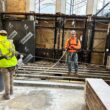
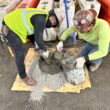
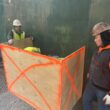


Demolition is one of the most risk-intensive phases of construction. Structural uncertainty, confined spaces, and active surroundings mean that small mistakes can lead to major consequences. In these conditions, experience is not optional — it is essential.
Andrew Horan Alba Services approaches demolition with the understanding that every decision on site affects safety, schedules, and surrounding properties.
Understanding Risk Before Work Begins
High-risk demolition projects demand careful evaluation before the first structure is touched. Risks may include:
- Structural instability
- Limited access and egress
- Overhead hazards
- Active pedestrian or traffic zones
Experienced teams recognize these risks early and plan sequences that reduce exposure and maintain control throughout the project.
Planning as a Risk-Management Tool
Effective planning is one of the most powerful safety measures in demolition. Rather than reacting to site conditions, experienced contractors anticipate challenges and prepare solutions in advance.
This includes:
- Phased demolition strategies
- Equipment selection based on site constraints
- Defined material handling routes
- Coordination with engineers and project stakeholders
Planning allows work to proceed methodically rather than under pressure.
On-Site Judgment and Real-Time Decision Making
No demolition project unfolds exactly as planned. Hidden conditions, weather, or access changes require immediate decisions.
Experience allows crews to:
- Recognize warning signs early
- Adjust demolition sequences safely
- Pause work when conditions change
- Maintain structural stability during removal
These real-time decisions often prevent incidents before they occur.
Crew Coordination and Site Discipline
High-risk demolition requires strong communication and clear roles. Experienced crews understand the importance of coordination, particularly when multiple trades or operations overlap.
Andrew Horan Alba Services emphasizes:
- Defined work zones
- Clear lifting and access procedures
- Ongoing communication between supervisors and crews
- Maintaining orderly, controlled job sites
This discipline supports safety and efficiency under complex conditions.
Equipment Knowledge and Safe Application
Modern demolition relies on specialized equipment, but equipment alone does not guarantee safety. Knowing when and how to use each tool is critical.
Experienced operators understand:
- Equipment limits under confined conditions
- Load control during lifting operations
- Vibration and impact considerations
- Safe operation near occupied structures
This knowledge reduces unnecessary risk while maintaining productivity.
Protecting Surrounding Structures and the Public
High-risk demolition often occurs adjacent to occupied buildings, sidewalks, and active roadways. Protecting the public and neighboring properties is a primary responsibility.
Protective measures include:
- Scaffolding and sidewalk protection systems
- Controlled material removal
- Continuous monitoring of adjacent conditions
- Secure staging and storage practices
These measures reflect both technical responsibility and professional accountability.
Consistency Across Projects
Experience is demonstrated through consistent results. A proven demolition team applies the same disciplined approach across different sites, conditions, and project sizes.
Clients benefit from:
- Predictable project progression
- Fewer disruptions
- Reliable coordination with other trades
- Confidence in execution
Conclusion
High-risk demolition is not the place for shortcuts or inexperience. It requires teams that understand complex conditions, plan thoroughly, and respond intelligently as work progresses.
Through experience, planning, and disciplined execution, Andrew Horan Alba Services delivers demolition work that prioritizes safety, reliability, and professional accountability — even in the most challenging environments.