


Modern demolition projects follow a structured workflow designed to maximize safety, efficiency, and regulatory compliance. Unlike older demolition methods, today’s projects are highly engineered processes that involve planning teams, safety specialists, engineers, and experienced field crews working together.
Understanding the demolition workflow helps clients see how professional demolition supports project timelines, cost control, and site safety.
Step 1: Initial Site Evaluation and Project Planning
Every demolition project begins with a detailed site evaluation. During this phase, teams review:
- Structural building condition
- Construction materials
- Utility connections
- Surrounding buildings and shared structures
- Site access points
- Environmental risks
Engineering teams often perform structural analysis to identify safe demolition sequences. This step helps prevent unexpected structural failures during demolition work.
Step 2: Permit Approval and Regulatory Compliance
Before demolition begins, permits must be secured from local authorities. This may include:
- Demolition permits
- Environmental compliance approvals
- Safety planning approvals
- Hazardous material handling permits
Proper documentation ensures projects meet city and federal regulations and avoids costly delays.
Step 3: Site Preparation and Safety Setup
Before structural demolition begins, the site must be secured and prepared. This typically includes:
- Installing scaffolding and sidewalk protection systems
- Setting up safety barriers and restricted zones
- Disconnecting utilities safely
- Installing dust and debris control systems
- Creating material staging areas
Safety meetings are conducted to ensure all crews understand site risks and safety procedures.
Step 4: Hazardous Material Identification and Removal
If hazardous materials such as asbestos or lead-based materials are present, they must be removed before structural demolition begins.
This step is performed by certified specialists using controlled containment procedures. This protects workers, the public, and the environment.
Step 5: Interior Soft Demolition
Soft demolition involves removing non-structural elements such as:
- Interior walls
- Ceilings
- Flooring
- Mechanical and electrical systems
- Fixtures and finishes
This prepares the structure for safe structural demolition and reduces debris hazards.
Step 6: Structural Demolition Execution
Structural demolition follows engineered sequencing to ensure controlled removal of structural elements.
Methods may include:
- Concrete cutting and controlled removal
- Steel dismantling
- Controlled lifting operations
- Mechanical demolition using specialized equipment
Constant monitoring ensures structural stability during each stage.
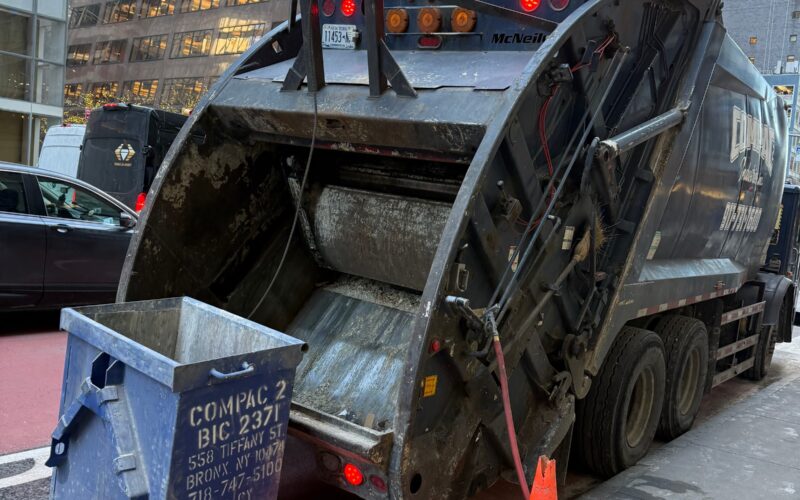
Step 7: Debris Removal and Material Recycling
Modern demolition includes material separation and recycling whenever possible.
Materials commonly recycled include:
- Structural steel
- Concrete
- Brick
- Metal components
Proper debris removal keeps the site safe and ready for the next construction phase.
Step 8: Site Cleaning and Final Inspection
After demolition is complete, teams perform final site cleaning and inspections. This ensures:
- No structural hazards remain
- Site is safe for new construction
- All compliance requirements are documented
Step 9: Preparing for New Construction Phase
The final step ensures the site is fully prepared for construction teams. This may include:
- Final grading
- Structural base preparation
- Remaining utility coordination
Proper demolition preparation allows construction to begin without delays.
Why This Workflow Matters for Clients
Following a structured demolition workflow provides major benefits:
- Predictable project timelines
- Reduced safety risks
- Strong regulatory compliance
- Lower unexpected project costs
- Faster transition into construction
The Evolution of Demolition Project Management
Modern demolition is becoming more technology-driven. Many projects now include:
- Digital demolition modeling
- Drone inspections
- Real-time safety monitoring
- AI-assisted risk analysis
These advancements continue improving safety and project efficiency.
Conclusion
Modern demolition is a detailed, step-by-step engineered process designed to support safe and efficient construction project delivery. From planning and compliance to final site preparation, professional demolition teams play a critical role in project success.
When demolition is performed correctly, it creates the foundation for safe, efficient, and high-quality construction.