

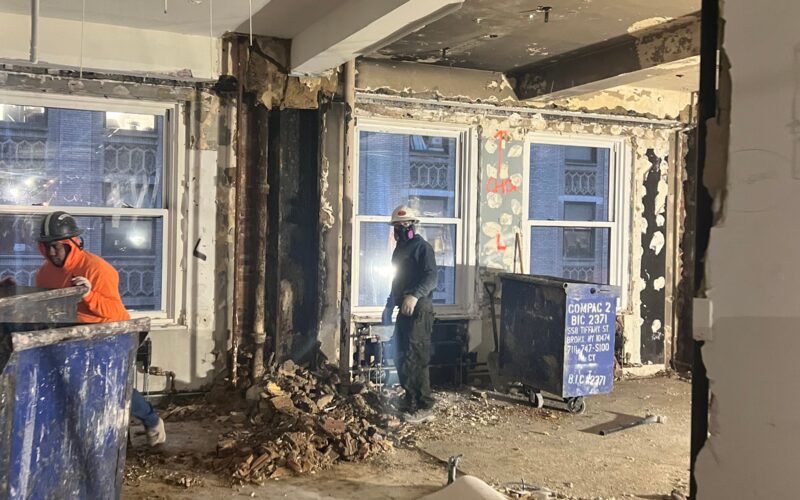
Demolition is often seen as the first step of construction, but in reality, it is one of the most critical phases influencing the success of the entire project. High-quality demolition ensures structural safety, protects surrounding infrastructure, maintains project schedules, and prepares a clean, stable foundation for new construction.
When demolition is rushed or poorly planned, it can create long-term problems that affect construction timelines, costs, and structural performance.
The Connection Between Demolition and Construction Performance
Demolition and construction are directly linked. The quality of demolition work determines how smoothly the construction phase can begin. Proper demolition ensures:
- Stable structural base conditions
- Safe surrounding structural integrity
- Clean and properly graded site surfaces
- Correct utility disconnections and relocations
- Safe access for construction crews
When demolition is executed professionally, construction teams can begin work without delays or unexpected structural issues.
Protecting Adjacent Structures
In dense urban construction environments, protecting nearby buildings is critical. Poor demolition planning can cause:
- Structural vibration damage
- Foundation shifting
- Wall cracking in adjacent buildings
- Utility service interruptions
High-quality demolition uses vibration monitoring, controlled cutting methods, and engineered demolition sequencing to protect surrounding structures.
Foundation and Structural Base Preparation
Proper demolition removes damaged or unstable structural elements while preserving areas needed for new construction. This includes:
- Removing weak concrete layers
- Preserving structural tie-in points
- Ensuring foundation surfaces are level and stable
- Removing hidden structural hazards
This allows new structural elements to be installed correctly and safely.
Utility Infrastructure Protection
Modern buildings rely on complex utility systems. Professional demolition ensures safe handling of:
- Gas lines
- Electrical systems
- Water and drainage lines
- Communication infrastructure
Proper planning prevents costly emergency repairs and project delays.
Reducing Construction Delays
Poor demolition can create hidden problems that slow down construction later. These may include:
- Hidden structural damage
- Unexpected debris contamination
- Improper site grading
- Incomplete material removal
Professional demolition reduces these risks and helps construction teams maintain project schedules.
Supporting Structural Engineering Accuracy
Construction engineers rely on demolition teams to follow exact structural removal plans. If demolition is inaccurate, new structural elements may not align correctly, leading to redesign work and delays.
Precision demolition supports accurate construction measurements and structural installation.
Environmental and Material Responsibility
Modern demolition includes responsible waste handling and recycling. This benefits construction projects by:
- Reducing site waste volume
- Lowering disposal costs
- Supporting environmental compliance
- Improving project sustainability ratings
Safety Benefits for Construction Teams
Proper demolition creates safer construction environments by removing unstable materials, securing work zones, and ensuring structural integrity before new work begins.
This reduces accident risks for construction crews working after demolition is completed.
Client Benefits of High-Quality Demolition
When demolition is performed at high standards, clients benefit from:
- Lower overall project risk
- Predictable construction schedules
- Reduced liability exposure
- Better project quality outcomes
- Improved long-term building performance
Technology Improving Demolition Quality
Modern demolition quality is supported by technology such as:
- Structural scanning tools
- Real-time vibration monitoring
- Digital demolition planning software
- Drone-based site inspections
These tools allow demolition teams to work with higher precision and safety.
The Future of Demolition and Construction Integration
The future of construction will rely even more on integrated demolition planning. Technologies such as AI-based risk analysis, digital twin modeling, and automated demolition systems will further improve construction outcomes.
Conclusion
Demolition is not just about removing structures — it is about preparing the foundation for successful construction. High-quality demolition improves safety, protects surrounding infrastructure, supports engineering accuracy, and keeps construction projects on schedule.
Professional demolition is one of the most important investments in overall construction project success.