


Introduction
In today’s construction and redevelopment environment, demolition is no longer simply about removing structures. Modern demolition is a highly engineered, carefully planned process that plays a critical role in the success of new construction projects. With increasing safety regulations, dense urban environments, and advanced construction timelines, proper demolition planning has become essential for ensuring worker safety, protecting surrounding structures, and maintaining project schedules.
Professional demolition teams now rely on detailed site analysis, advanced equipment, skilled crews, and structured execution strategies to deliver safe and efficient results. This modern approach allows demolition work to support faster construction progress while maintaining strict safety and regulatory compliance.
The Importance of Pre-Demolition Planning
Every successful demolition project begins with thorough planning. Before any physical work starts, demolition specialists evaluate multiple technical and safety factors, including:
- Structural load distribution
- Building materials and condition
- Nearby structures and shared walls
- Utility connections (electric, gas, water, communication lines)
- Public safety risks
- Environmental considerations
This planning phase allows teams to create a controlled demolition strategy that minimizes unexpected risks during execution.
In complex urban environments, pre-planning also ensures pedestrian safety, traffic control, and coordination with city regulations. Without this step, demolition projects can face major delays, safety incidents, and increased costs.
Safety as the Foundation of Modern Demolition
Safety is the most important element in modern demolition work. Professional teams follow strict safety protocols designed to protect workers, surrounding properties, and the public.
Key safety measures include:
Worker Protection
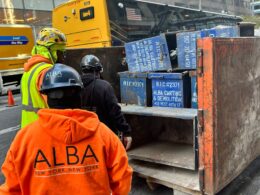
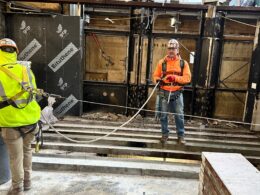
Workers use full safety gear including:
- Hard hats
- High-visibility clothing
- Safety boots
- Gloves
- Eye and hearing protection
Structural Safety Monitoring
Before removing any structural element, teams verify load paths and support systems to prevent accidental collapse.
Controlled Work Zones
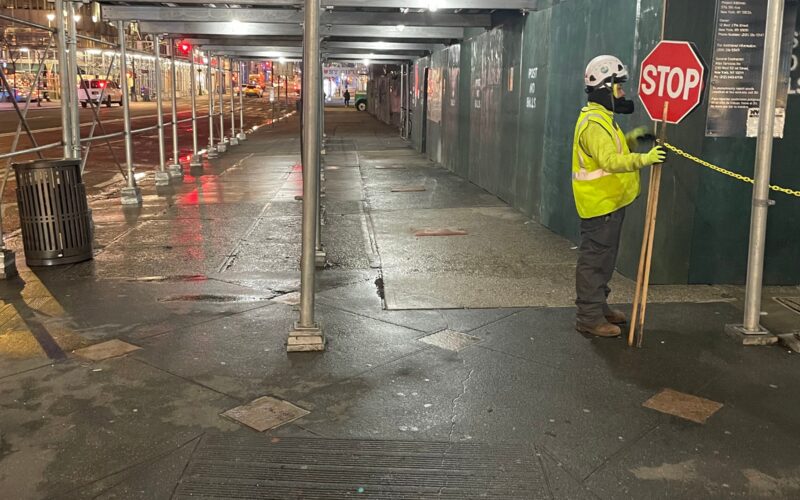
Temporary barriers, scaffolding, and safety netting help isolate work areas and protect nearby workers and pedestrians.
Daily safety meetings and site inspections help ensure all workers understand risks and procedures before work begins.
How Modern Equipment Improves Efficiency
Modern demolition relies heavily on advanced tools and machinery designed for precision and control.
Examples include:
- Concrete cutting equipment
- Hydraulic breaking tools
- Dust control systems
- Material lifting and handling equipment
These tools allow crews to remove structural elements with greater accuracy and less vibration, which is especially important in high-rise and urban demolition projects.
Using modern equipment also reduces manual labor strain, improves worker safety, and increases productivity.
The Role of Skilled and Experienced Crews
Even with advanced tools, demolition success depends heavily on crew experience. Skilled demolition teams understand structural behavior and know how materials react during removal.
Experienced crews can:
- Identify hidden structural risks
- Adjust demolition sequences when conditions change
- Maintain safe workflow under pressure
- Coordinate with engineers and site managers
This level of expertise reduces project delays and prevents costly mistakes.
Demolition in Urban High-Rise Environments
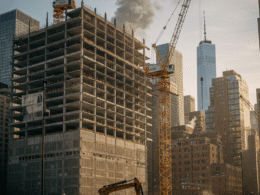
Urban demolition projects are among the most challenging. Limited space, nearby buildings, and public activity require precise coordination.
Special urban demolition considerations include:
Limited Access Areas
Materials must be staged carefully to avoid blocking work paths.
Vibration Control
Controlled removal methods prevent damage to nearby structures.
Debris Management
Debris must be removed quickly and safely to maintain site efficiency.
Public Protection
Sidewalk protection systems and scaffolding help keep pedestrians safe.
These factors make planning and execution critical for success.
Supporting Faster Construction Project Timelines
Modern demolition directly supports faster construction starts. When demolition is completed safely and on schedule, new construction phases can begin without delay.
Proper demolition planning allows:
- Faster site turnover
- Reduced project downtime
- Better coordination between trades
- Lower overall project cost risk
Developers and contractors rely on professional demolition teams to keep projects moving forward efficiently.
Environmental Responsibility in Modern Demolition
Today’s demolition industry also focuses on sustainability. Many demolition projects include material recycling programs.
Common recyclable materials include:
- Steel
- Concrete
- Brick
- Metal piping
Recycling reduces landfill waste and supports environmentally responsible construction practices.
Conclusion
Modern demolition is a highly technical and safety-driven process that requires careful planning, skilled crews, advanced equipment, and strong project coordination. In today’s construction environment, demolition is not just a starting step — it is a critical foundation for successful project completion.
By focusing on safety, efficiency, and precision, professional demolition teams help ensure construction projects stay on schedule, within budget, and fully compliant with regulations.
As construction technology continues to evolve, demolition methods will become even more advanced, supporting safer worksites and more efficient urban development.